Why does it work?
“No Scrubs” works because it has a clear boundary.
It knows exactly what it doesn't want.
And honestly? That alone gives it more positioning than a lot of About pages.
Because so many businesses are terrified of putting people off that they end up sanding down every interesting edge.
They try to sound friendly, but not too casual.
Expert, but not intimidating.
Values-led, but not opinionated.
The result? Bland, vague copy.
.
The copy lesson is this: Your should help the right people recognise themselves faster.
And help the wrong people quietly back away before anyone has to send an email that starts, “Just circling back…”
Honestly? It's a win-win.
Make it work for you
Set your own boundaries by
✨ Making your standards visible
A strong brand doesn'tt just say, “Here’s what we do.”
It also says:
Here’s how we work.
Here’s what we value.
Here’s what we won’t compromise on.
Here’s who gets the best results from this.
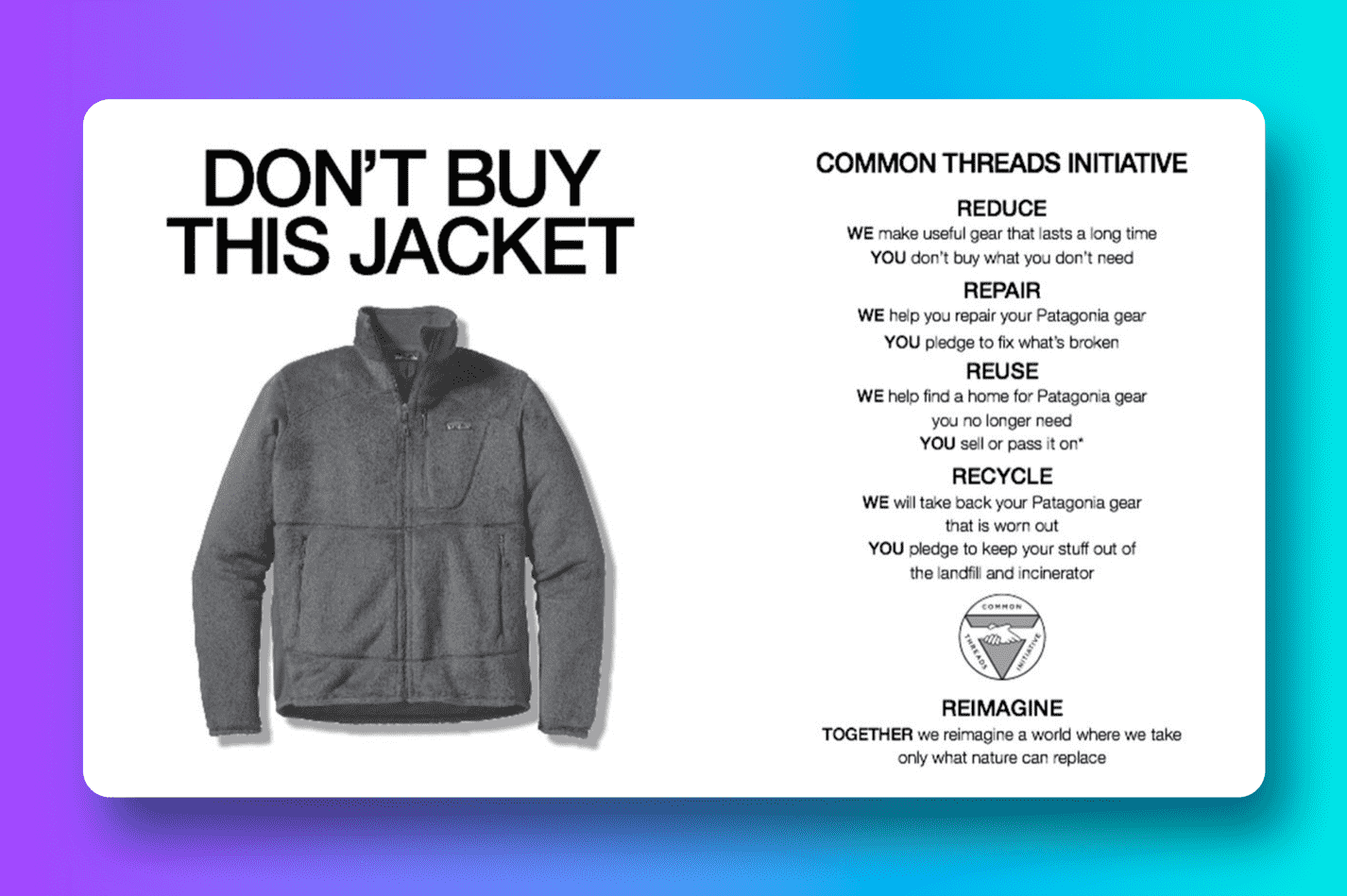
Patagonia is a brilliant example of this.
The brand is not just “outdoor clothing for people who like a nice fleece.”
Its environmental position shows up everywhere: in the products, repairs, activism, campaigns, business decisions and even the slightly confrontational moments where the brand is very clearly not trying to be for everyone.
That clarity does a job.
It attracts people who share the values.
It repels people who don’t.
And it makes the brand feel much bigger than the product.
The lesson?
If you say you care about something, show people what that actually means.
💡Over to you: What standard does your brand need to make more visible?
✨ Being clear about who it’s actually for
Some of the most useful copy you can write is copy that helps people decide, “Ah, this is for me.”
And sometimes, “Nope, not my thing.”
Both are useful.
Take Oatly.
Oatly doesn't behave like a polite milk alternative trying to win over everyone in the dairy aisle.
The brand has a point of view.
It's playful, opinionated, weirdly wordy, a bit chaotic and very aware that some people will find it annoying.
But that's part of why it works.
Your copy should help people understand the kind of business they're stepping into.
Because:
“This is for founders who want strategy before the shiny stuff.”
Is stronger than:
“Brand design for ambitious entrepreneurs.”
The more specific version gives people something to recognise.
💡 Over to you: Where could your copy make the right person feel like they belong?
✨ Saying what you are not here for
This is where “No Scrubs” really earns its keep.
Because knowing what you don't want makes the message sharper.
It gives the whole thing energy.
It creates a clear line in the sand.
It does just enough clarity for people to understand what you stand for without scaring them off.
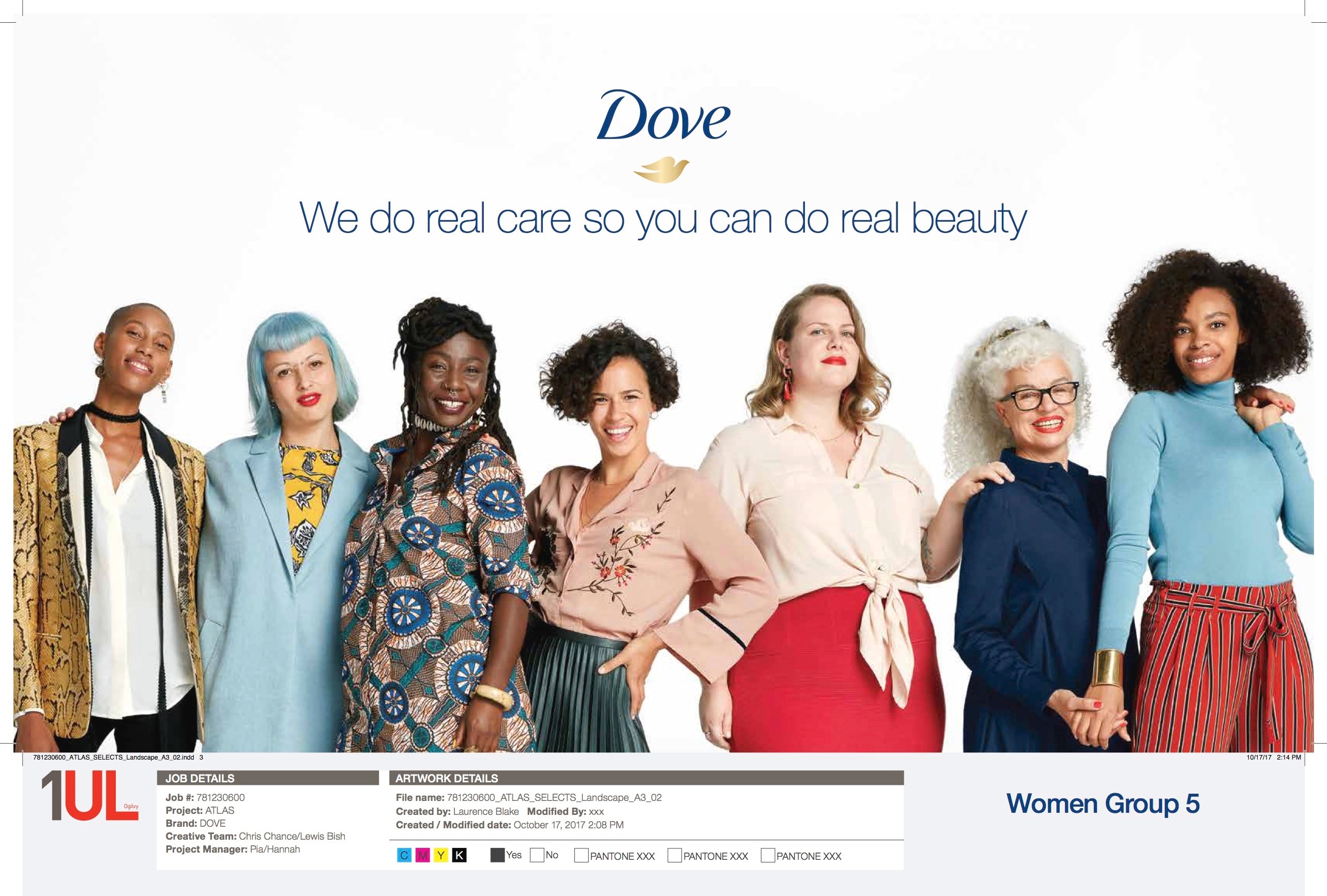
Dove did this powerfully with its Real Beauty work.
Instead of following the usual beauty industry script of flaw-fixing, aspiration and impossible perfection, the brand built a long-running platform around broader representation and challenging narrow beauty standards.
The point wasn't just “buy soap.”
It was: we see beauty differently.
That gave Dove a clearer position in a very crowded category.
The best way to start is by asking:
What default message in my industry am I not here for?
Once you know what you’re not here for, it becomes much easier to say what you are here for instead.
💡Over to you: What are you kindly but firmly saying no to.
No scrubs. More standards.
The point of this isn't to become harsh.
It's about clarity.
Because when your brand has standards, your messaging gets stronger.
You start building a brand that can say:
This is what we believe.
This is who we help.
This is how we work.
This is what makes us different.
This is what we are not here to keep bending ourselves into.
That's exactly what we work through in Honest Brand Communications.
Inside the course, you’ll build the purpose, personality and positioning behind your brand, so your copy doesn't just sound nice.
It sounds clear.
It sounds recognisably yours.
And it helps the right people understand why you are the right fit.